Top Adventure Getaways in America: Expert Travel Guide & Analysis
North America contains some of the most ecologically diverse terrain on Earth. Expansive glaciated mountain ranges rise above sub-arctic tundras. Deep sandstone canyons dissect high desert plateaus. Dense temperate rainforests border rugged ocean coastlines. The physical scale of this geography presents exceptional opportunities for wilderness exploration. However, organizing outdoor travel across these distinct regions requires far more than surface-level planning.
Many travelers view outdoor destinations through simplified promotional lenses. Media rankings frequently reduce complex outdoor ecosystems to mere bucket-list summaries. Serious adventure travel requires a thorough understanding of geography, seasonal weather patterns, and logistical constraints. An expedition through the Alaska Range demands vastly different preparations than a multi-day paddle through the Florida Everglades.
Evaluating wilderness destinations requires analyzing physical risk, environmental access, and resource allocation. Regional weather shifts, terrain hazards, and land management policies create unique operational parameters for every expedition. A successful outdoor journey depends on aligning individual technical skills with appropriate landscape challenges.
Understanding these wilderness dynamics allows travelers to make informed decisions. Proper preparation transforms challenging landscapes into manageable environments. Evaluating destinations through objective parameters ensures safety, environmental stewardship, and long-term travel success across the American continent.
Understanding “top adventure getaways in america”
Evaluating the top adventure getaways in america requires moving past superficial promotional claims. Quality in outdoor travel is defined by geographical diversity, environmental commitment, technical engagement, and robust safety infrastructure. A premier adventure destination offers genuine wilderness engagement rather than commercialized attractions.
The Misconception of Commercial Accessibility
Travelers often confuse commercial accessibility with true outdoor quality. Easy access roads and crowded visitor centers often diminish the wilderness experience. Premier adventure destinations require active physical engagement, wilderness navigation skills, and self-sufficiency.
Balancing Risk with Environmental Quality
A destination should not be judged solely by its physical hazards. Extreme danger does not automatically create a superior adventure experience. High-quality wilderness areas offer a balanced combination of technical challenge, natural beauty, and manageable environmental risks.
The Role of Public Land Management
Land management policies significantly influence the character of outdoor destinations. National Parks, Wilderness Areas, and Bureau of Land Management territories operate under different usage guidelines. Understanding these regulatory frameworks helps travelers navigate permit systems, group size limits, and access restrictions.
Deep Contextual Background
Historical Evolution of American Outdoor Exploration
American outdoor recreation evolved through distinct historical phases. Early nineteenth-century exploration was driven by territorial expansion, resource extraction, and mapping surveys. Early pioneers navigated unmapped wilderness regions using basic tools and physical endurance.
The late nineteenth and early twentieth centuries saw the birth of the American conservation movement. Figures like John Muir and Aldo Leopold advocated for the protection of wild landscapes, leading to the creation of the National Park Service and the Wilderness Act of 1964. These legislative milestones preserved vast acreages for public recreation and ecological conservation.
The Post-War Outdoor Boom and Technical Gear Evolution
The mid-twentieth century brought rapid technological advancements to outdoor equipment. Military surplus gear was replaced by lightweight synthetic fabrics, aluminum tent poles, and specialized climbing hardware. These innovations democratized wilderness access, allowing more people to explore remote mountain ranges and river canyons safely.
Contemporary Wilderness Management and Digital Access
Today, outdoor travel faces new challenges stemming from high visitor volumes and digital connectivity. Online permit systems, real-time weather telemetry, and satellite navigation have transformed expedition planning. Land managers must balance public access with ecosystem protection, implementing quota systems across fragile wilderness corridors.
Conceptual Frameworks and Mental Models
Navigating complex wilderness landscapes requires structured analytical frameworks to assess safety, environmental impact, and physical demands.
The Terrain Commitment Spectrum
This framework categorizes destinations by their remoteness and evacuation difficulty. A coastal kayak trip near a major harbor carries a lower commitment level than a desert trek situated fifty miles from the nearest road head.
The Hazard Overlap Matrix
Evaluating environmental risks requires analyzing three overlapping factors: weather instability, terrain complexity, and human error. When these three elements converge, the potential for accidents increases significantly.
The Energy and Resource Budget Model
Exertion levels must be managed alongside food, water, and thermal regulation needs. Exceeding physical exertion limits in remote environments compromises decision-making capabilities and increases vulnerability to environmental injuries.
Key Categories or Variations
Outdoor destinations across North America break down into distinct geographical categories. Each region presents unique environmental demands, technical requirements, and logistical considerations.
High-Alpine Glaciated Ranges
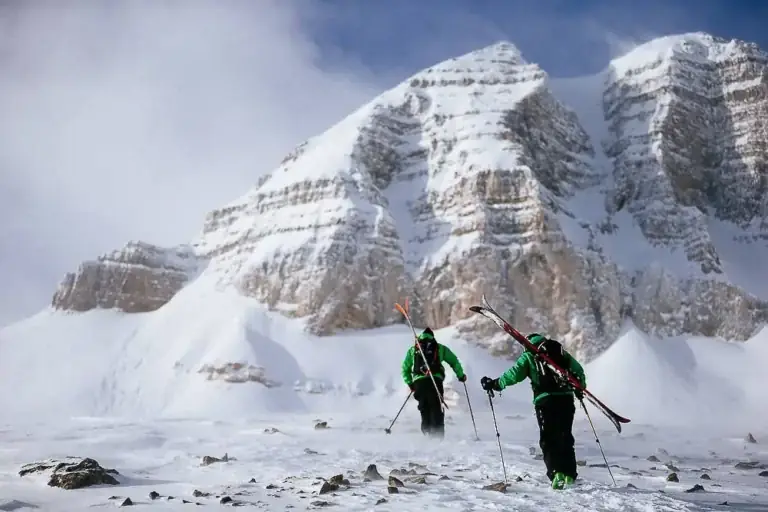
Found in Alaska and the Pacific Northwest, these high-elevation environments feature glaciers, steep snow ridges, and severe weather patterns. Expeditions require technical ice axe usage, crampon skills, and crevasse rescue knowledge.
High Desert Canyonlands
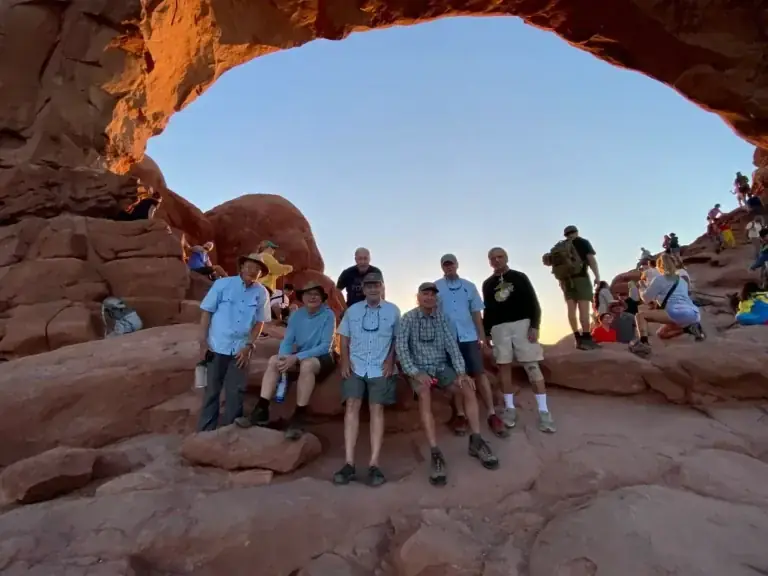
Located throughout Utah, Arizona, and Nevada, desert environments offer sandstone slot canyons, expansive plateaus, and dramatic vertical relief. Water management, thermal regulation, and flash flood awareness are critical operational concerns.
Temperate Coastal Rainforests
Stretching across coastal Washington, Oregon, and Northern California, these ecosystems feature dense old-growth forests and rugged ocean shorelines. Navigating heavy precipitation, tidal surges, and dense undergrowth requires specialized rain gear and route-finding skills.
Continental Mountain Chains
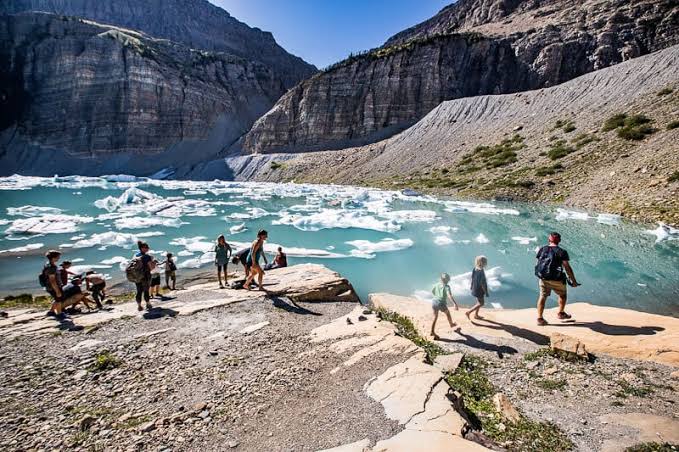
Spanning the Rocky Mountains from Montana to New Mexico, these high-altitude regions offer alpine lakes, jagged granite peaks, and high-plateau passes. Summer thunderstorm activity, rapid temperature shifts, and snowpack instability present key hazards.
Inland Waterways and Floodplains
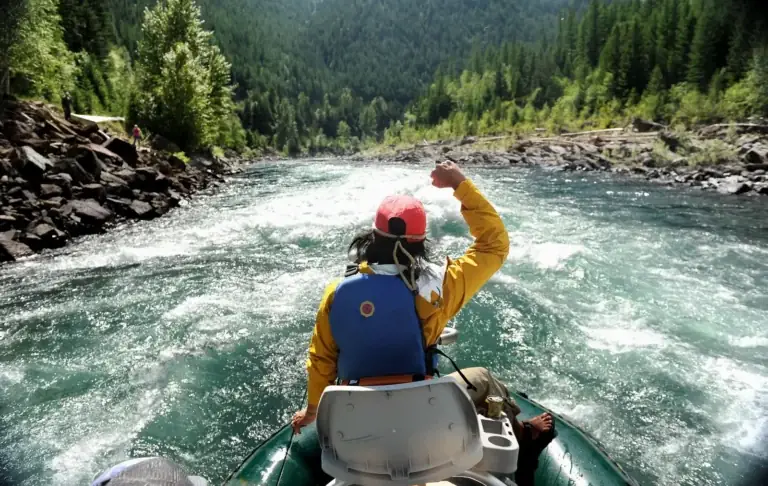
Encompassing the Florida Everglades, Minnesota Boundary Waters, and river networks across the Midwest, these water-based regions offer extensive paddling routes. Navigation skills, insect protection, and waterborne disease prevention are essential.
Detailed Real-World Scenarios
Scenario A: Multi-Day Backcountry Trek in the Wind River Range
A team of three embarks on a sixty-mile backpacking circuit through Wyoming’s Wind River Range during mid-August.
-
Primary Constraint: Navigating high-altitude mountain passes above eleven thousand feet with heavy packs.
-
Failure Mode: Ignoring afternoon barometric drops leads to the team getting caught on an exposed ridge during a severe severe hail storm.
-
Second-Order Effect: Cold rainfall causes mild hypothermia, forcing an emergency campsite setup in an unsuitable, flooded drainage basin.
-
Optimal Decision: Monitor weather signals closely and clear high mountain passes before noon to avoid exposed ridge conditions during peak afternoon storm hours.
Scenario B: Desert Slot Canyon Expedition in Southern Utah
A party plans a two-day canyoneering trip through a technical sandstone slot canyon system.
-
Primary Constraint: Limited egress points once committed to narrow canyon corridors.
-
Failure Mode: Proceeding into the canyon despite weather reports indicating localized rainstorms twenty miles upstream.
-
Second-Order Effect: A flash flood surges through the canyon, trapping the team on high ledges without water or shelter.
-
Optimal Decision: Cancel canyon entry immediately if precipitation is forecasted anywhere within the broader regional drainage basin.
Scenario C: Coastal Kayaking Circuit along the Olympic Peninsula
A kayaking duo navigates a four-day coastal route along Washington’s rugged ocean shoreline.
-
Primary Constraint: Navigating heavy ocean swells, tidal rapids, and rocky landing zones.
-
Failure Mode: Miscalculating tidal currents results in the team missing their intended beach landing window before sunset.
-
Second-Order Effect: The paddlers are forced to make a dangerous night landing on an exposed, rock-strewn beach in heavy surf.
-
Optimal Decision: Plan daily paddling legs around precise tidal charts, building extra time buffers for landing operations.
Planning, Cost, and Resource Dynamics
Executing successful wilderness trips requires balancing equipment investments, permit fees, and logistics costs. The table below outlines resource profiles across typical adventure levels.
Direct Expenses versus Indirect Operational Costs
Equipment purchases represent only a portion of total travel expenses. Shuttle fees, park entry permits, regional transport, and emergency evacuation insurance aggregate quickly. Investing in high-grade gear ensures safety and long-term durability across diverse environments.
The Value of Flexible Itineraries
Building extra contingency days into travel plans reduces pressure to push through unsafe conditions. Rushing through hazardous terrain to meet tight schedules remains a leading cause of outdoor accidents.
Tools, Strategies, and Support Systems
Modern wilderness exploration relies on specialized tools, navigation systems, and emergency protocols to manage environmental risks.
Satellite Communication and Navigation Technology
Two-way satellite messaging devices provide reliable communication, GPS tracking, and emergency SOS alerts beyond cellular coverage zones. These devices allow teams to receive updated weather forecasts in real time.
Layered Clothing and Thermal Management
Effective thermal management utilizes synthetic or merino wool base layers, insulating mid-layers, and waterproof hardshell outerwear. Regulating body temperature prevents sweat accumulation during exertion, reducing hypothermia risks during rest stops.
Water Purification and Hydration Systems
Carrying portable hollow-fiber membrane filters, chemical treatment tablets, or ultraviolet purifiers ensures safe drinking water across wilderness sources. Proper water management prevents waterborne illnesses that can halt expeditions.
Risk Landscape and Failure Modes
Wilderness environments present compounding operational hazards that require continuous assessment and proactive management.
Environmental Hazards versus Decision-Making Errors
Environmental hazards include rockfall, flash floods, wildlife encounters, and sudden storms. Human errors involve poor route-finding, improper gear selection, and physical overexertion. Most outdoor emergencies occur when human errors compound environmental hazards.
Dehydration, Hypothermia, and Thermal Stress
Thermal stress remains a leading cause of wilderness medical issues. Hypothermia can occur in cool, wet conditions well above freezing temperatures, while heat exhaustion strikes quickly in unshaded desert canyonlands.
Navigational Failure and Disorientation
Losing trail markers or misreading topographic maps can quickly turn a routine day hike into an emergency situation. Carrying paper topographic maps alongside digital GPS units provides essential navigation redundancy.
Governance, Maintenance, and Long-Term Adaptation
Preserving wilderness areas for future generations requires respecting environmental regulations, land management policies, and conservation ethics.
Leave No Trace Environmental Principles
Wilderness ecosystems are fragile and require careful protection. Travelers must pack out all trash, dispose of human waste properly, stay on established trails, and avoid disturbing local wildlife.
Pre-Trip Gear Inspection Checklist
-
Inspect tent fabrics, seams, and zippers for structural damage or water leaks.
-
Test water filtration units to ensure proper flow rates and clean membrane filters.
-
Verify satellite communication device battery levels and active subscription plans.
-
Review paper topographic maps and download offline digital navigation layers.
-
Check first aid kits to replenish expired supplies and medication items.
Measurement, Tracking, and Evaluation
Improving wilderness skills involves evaluating both quantitative performance metrics and qualitative observations.
Quantitative Metrics
-
Daily Travel Distance: Track mileage covered per hour across varying terrain types to gauge pace.
-
Vertical Elevation Gain: Monitor total vertical feet climbed daily to manage physical exertion levels.
-
Resource Consumption Rates: Track daily water and fuel usage to optimize supply planning.
Qualitative Metrics
-
Route-Finding Efficiency: Assess how accurately your team follows planned wilderness corridors.
-
Hazard Recognition Speed: Evaluate your ability to spot changing weather patterns or terrain risks early.
-
Team Communication Quality: Gauge how effectively team members communicate during stressful field situations.
Common Misconceptions and Oversimplifications
Myth 1: Modern Apps Eliminate Wilderness Navigation Risks
Smartphone navigation apps rely on battery power and touchscreen sensitivity. Cold weather drains batteries rapidly, while dropped devices can break easily. Paper maps and compasses remain essential backup tools.
Myth 2: Popular Destinations Are Inherently Safe
High visitor numbers do not eliminate natural hazards. Severe weather, steep drop-offs, and sudden temperature shifts occur regardless of crowd sizes. Personal safety remains the responsibility of every individual traveler.
Myth 3: Expensive Gear Guarantees Outdoor Success
High-end equipment cannot replace fundamental wilderness skills, physical conditioning, and sound decision-making. Experience and thorough planning are far more valuable than costly hardware.
Practical and Contextual Considerations
Planning an outdoor journey across North America requires balancing physical conditioning, travel timing, and cultural respect for native landscapes.
Physical Conditioning and Skill Development
Wilderness expeditions require cardiovascular endurance, core strength, and mental resilience. Training programs should include weighted backpack hikes, trail running, and targeted strength workouts.
Respecting Indigenous Heritage and Public Lands
Many wilderness areas across North America hold sacred cultural significance for Indigenous nations. Travelers should research local tribal histories, adhere to tribal access guidelines, and treat these landscapes with deep respect.
Conclusion
Planning memorable journeys across the top adventure getaways in america requires a balance of geographical knowledge, physical preparation, and environmental respect. From the glaciated peaks of Alaska to the red rock canyons of Utah, the American continent offers extraordinary opportunities for meaningful wilderness exploration.
By evaluating destinations through objective parameters, preparing for environmental hazards, and practicing Leave No Trace principles, travelers ensure safe and rewarding outdoor experiences. Thorough preparation and sound judgment remain the foundation of every successful wilderness adventure.