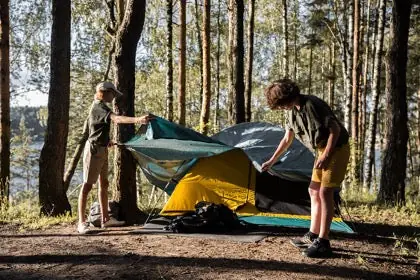
Field Errors in Outdoor Logistics: Common Camping Mistakes Analysis
Operating temporary residential infrastructure in natural environments presents a complex series of logistical challenges. Far from being a simple recreational activity, setting up a camp requires managing thermal insulation, liquid waste, hydrology, site geometry, and wildlife attractants. Minor oversights in campsite selection or gear setup can quickly escalate into uncomfortable or hazardous situations.
Modern outdoor equipment offers advanced technical capabilities, yet high-performance gear cannot replace sound judgment and foundational field skills. High-altitude textiles, synthetic insulation, and digital navigation tools provide a false sense of security when deployed without understanding local environmental conditions. A high-spec shelter pitched in a natural drainage basin will fail during a sudden downpour, regardless of its price tag or fabric rating.
Systemic field failures usually stem from poor planning, inadequate environmental assessment, and cognitive biases during decision-making. Travelers often transfer urban living assumptions directly to outdoor settings, misjudging fuel requirements, waste processing capacity, and temperature swings. Recognizing these operational friction points is essential for building resilient field habits.
Analyzing campsite management requires treating the outdoor environment as a dynamic, interconnected system. Evaluating gear choices, site geometry, and physiological limits helps outdoor enthusiasts prevent avoidable errors. Strategic field preparation ensures that camping trips remain safe, sustainable, and enjoyable across diverse biomes.
Understanding “common camping mistakes”
Analyzing common camping mistakes requires moving past superficial lists toward a structural evaluation of field logistics, human behavior, and environmental dynamics. These errors are rarely isolated accidents; instead, they represent systemic breakdowns in planning, risk management, and environmental awareness.
The Misunderstanding of Physical Comfort Systems
A frequent error involves treating thermal protection as a single insulation layer rather than an integrated thermal system. Campers often invest heavily in high-loft sleeping bags while ignoring conductive ground heat loss. Sleeping directly on the ground compresses sleeping bag insulation, allowing cold earth to drain core body heat rapidly regardless of the bag’s temperature rating.
Site Selection Geometry Errors
Pitching shelters in natural topographic depressions remains a widespread operational oversight. Flat basin floors appear attractive for pitching tents initially, yet these low spots serve as natural collection zones for cold air currents and surface water runoff. A sudden midnight downpour converts a depressed campsite into a pooling pond within minutes.
Ineffective Attractant Governance
Managing food waste and odorous consumables demands strict discipline. Stowing scented toiletries, snacks, or cooking gear inside sleeping shelters attracts local wildlife to the campsite. Effective site governance separates cooking zones, food storage, and sleeping quarters into distinct, well-spaced locations.
Deep Contextual Background
Historical Shift in Outdoor Recreation Practices
Recreational camping evolved alongside industrialization and urbanization in the nineteenth and twentieth centuries. Early recreational campers relied on heavy canvas wall tents, wood-burning stoves, and open campfires for thermal comfort. These early practices depended on plentiful wilderness resources and low visitor density across public lands.
Post-War Synthetic Innovation and Access Expansion
The mid-twentieth century brought mass-produced synthetic materials, lightweight aluminum tent poles, and portable gas stoves. These technological advances democratized access to the outdoors, allowing millions of people to travel into remote backcountry areas. However, this sudden rise in visitor numbers led to widespread environmental damage, soil erosion, and wildlife habituation.
The Rise of Conservation Ethics and Land Management
Surging visitation prompted public land agencies to establish strict environmental management rules. Concepts like Leave No Trace shifted camping ethics from resource manipulation toward minimal impact. Modern campers must navigate complex permit systems, campfire bans, and mandatory food storage rules designed to preserve delicate natural ecosystems.
Conceptual Frameworks and Mental Models
Navigating campsite setup requires analytical decision models to manage site safety, thermal balance, and environmental risks.
The Triangle of Site Safety
This model establishes a three-point spatial layout separating sleeping shelters, food preparation areas, and food storage points. Spacing these three zones at least one hundred yards apart in a triangular pattern directs wildlife interest away from sleeping areas.
Conductive and Convective Heat Transfer Matrix
Thermal management relies on understanding heat loss vectors. Conduction drains body heat into cold ground surfaces through direct contact, while convection strips warmth through wind penetration across thin fabrics. Managing both mechanisms requires closed-cell ground insulation and windproof shelter barriers.
The Margin of Safety Reserve Model
This planning framework maintains extra operational buffers across three key resources: fuel reserves, clean drinking water, and thermal clothing layers. Consuming all available supplies during routine operations leaves zero margin for unexpected weather delays or route detours.
Key Categories or Variations
Field mistakes fall into distinct operational categories, each presenting specific technical demands and environmental risks.
Shelter and Site Selection Errors
Mistakes in shelter setup include pitching tents under dead tree branches, failing to stake guy lines properly, and orienting tent doors directly into prevailing wind directions. Unanchored shelters can collapse or blow away during sudden mountain windstorms.
Hydration and Water Processing Failures
Waterborne pathogens pose severe health risks. Drinking unpurified surface water, using clogged filter membranes, or cross-contaminating clean water bottles with dirty collection bags leads to gastrointestinal illness that causes rapid dehydration.
Thermal Regulation and Apparel Oversights
Wearing cotton garments in cold or wet environments represents a major thermal management error. Cotton absorbs moisture, loses its insulating value when wet, and accelerates body cooling through evaporation. Synthetic or merino wool layers remain essential for temperature control.
Fuel and Culinary Management Miscalculations
Underestimating stove fuel consumption in cold weather leads to uncooked food and an inability to melt snow for drinking water. Furthermore, cooking inside enclosed tent spaces creates dangerous carbon monoxide risks and fire hazards.
Sanitary and Human Waste Errors
Disposing of human waste near water sources contaminates local watersheds and violates public health standards. Digging shallow catholes or leaving unburied toilet paper damages fragile ecosystems and spreads disease.
Navigation and Time Management Lapses
Arriving at campsites after dark increases the risk of setup errors, lost equipment, and personal injury. Failing to account for slow trail travel speeds forces rushed site selection in poor light conditions.
Detailed Real-World Scenarios

Scenario A: Summer Downpour in a River Valley
A pair of campers sets up their tent on a flat, clear patch of ground near a riverbank during mid-July.
-
Primary Constraint: High afternoon humidity followed by intense rainstorms.
-
Failure Mode: Pitching the shelter in a dry creek bed without staking out rainfly guy lines.
-
Second-Order Effect: Flash runoff fills the dry creek bed at midnight, flooding the tent interior and soaking sleeping bags.
-
Optimal Protocol: Pitch tents on elevated ground, tension rainflies using guy lines, and dig diversion trenches away from sleeping areas if necessary.
Scenario B: Cold-Weather Mountain Plateau Camp
A group camps on an exposed high-altitude plateau during late autumn as temperatures drop below freezing.
-
Primary Constraint: Freezing ambient temperatures combined with high wind gusts.
-
Failure Mode: Relying on thin air mattresses without insulating R-values while wearing damp cotton baselayers.
-
Second-Order Effect: Conductive heat loss to the frozen ground causes severe shivering, preventing restful sleep and risking hypothermia.
-
Optimal Protocol: Pair insulated sleeping pads with closed-cell foam mats, wear dry synthetic baselayers, and build windbreak walls using available terrain.
Scenario C: High-Density Forest Wildlife Zone
A solo camper prepares dinner directly outside their tent door in a known black bear habitat.
-
Primary Constraint: High bear activity combined with dense forest cover.
-
Failure Mode: Stowing food scraps, trash, and toothpaste inside the tent vestibule overnight.
-
Second-Order Effect: Animals enter the campsite, damaging gear and creating dangerous human-wildlife conflicts.
-
Optimal Protocol: Cook food one hundred yards away from sleeping areas, clean all cookware immediately, and lock food inside bear-resistant canisters.
Planning, Cost, and Resource Dynamics
Evaluating campsite management requires balancing equipment investments against operational risks and indirect travel costs. The table below outlines budget requirements across common camping approaches.
Direct Expenses versus Indirect Operational Costs
Investing in high-grade equipment represents only a portion of total outdoor expenses. Travel costs, park entry permits, regional shuttles, and specialized maintenance supplies add up quickly. Purchasing durable, multi-functional gear reduces long-term replacement costs.
The Cost of Inadequate Equipment Preparation
Attempting backcountry trips with cheap, non-waterproof gear often leads to ruined itineraries and emergency purchases in gateway towns. Inadequate gear can cause medical emergencies like hypothermia, resulting in costly search-and-rescue operations.
Tools, Strategies, and Support Systems
Managing campsite operations successfully relies on specialized diagnostic tools, protective gear, and field strategies.
High-R-Value Insulation Matrices
Insulated sleeping pads with verified R-values prevent conductive ground heat loss. Combining inflatable air pads with closed-cell foam mats creates a thermal barrier suitable for frozen ground settings.
Certified Bear-Resistant Food Containers
Hard-sided bear canisters prevent wildlife from accessing human food stores. These containers lock securely, keeping scents contained and protecting food supplies even if animals discover the canister.
Redundant Water Purification Systems
Combining mechanical hollow-fiber filters with chemical treatment tablets ensures safe drinking water. Membrane filters remove dirt and bacteria quickly, while chemical tablets neutralize viruses in surface water sources.
Risk Landscape and Failure Modes
Campsite mistakes involve compounding environmental hazards and human errors that require continuous monitoring and proactive management.
The Compounding Risk Chain
Camp emergencies rarely result from a single failure. Instead, minor oversights accumulate: a late start leads to rushing, which causes poor site selection in the dark, followed by a flooded tent floor during a midnight rainstorm. Recognizing and breaking this chain early prevents minor issues from turning into major emergencies.
Hypothermia and Thermal Breakdown
Hypothermia occurs when body temperature drops below ninety-five degrees Fahrenheit. Wet clothing, wind exposure, and conductive ground heat loss accelerate body heat loss. Recognizing early shivering allows campers to add dry insulating layers before cognitive functions decline.
Dehydration and Metabolic Exhaustion
Fluid loss reduces blood volume, impairing physical endurance and body temperature regulation. Dehydration accelerates heat exhaustion in warm weather and increases susceptibility to frostbite in cold environments. Conserving body fluid through steady pacing is essential for safety.
Governance, Maintenance, and Long-Term Adaptation
Maintaining field readiness requires regular gear inspections, post-trip care, and practicing environmental stewardship.
Post-Trip Equipment Maintenance Protocols
Proper gear maintenance between trips prevents silent material damage. Tents must be dried completely before storage to prevent mold growth and fabric coating damage. Down sleeping bags should be stored uncompressed in large cotton sacks to preserve loft.
Pre-Trip Field Readiness Checklist
-
Pitch shelters to inspect aluminum poles, guy line tensioners, and rainfly waterproof coatings.
-
Inflate sleeping pads and leave pressurized overnight to check for micro-bores or valve leaks.
-
Flush water filters to test flow rates and check O-ring seals for cracks.
-
Test camp stoves, inspect fuel line connections, and weigh canister fuel levels.
-
Check bear canisters to ensure locking mechanisms turn smoothly and seal tightly.
Measurement, Tracking, and Evaluation
Assessing campsite management skills involves tracking quantitative resource metrics alongside qualitative field observations.
Quantitative Metrics
-
Fuel Consumption Rates: Track stove fuel used per meal to calculate accurate trip fuel math.
-
Water Processing Speed: Measure time required to filter one liter of drinking water from natural sources.
-
Shelter Setup Time: Track the time needed to establish a fully guyed shelter in bad weather.
Qualitative Metrics
-
Campsite Selection Quality: Evaluate how well chosen sites shield against wind, surface water, and falling branches.
-
Leave No Trace Compliance: Assess how cleanly campsites are restored before departure.
-
Thermal Comfort Consistency: Monitor how effectively clothing and insulation layers maintain warmth overnight.
Common Misconceptions and Oversimplifications
Myth 1: Tents Provide Thermal Warmth
Tents block wind and rain, but they offer minimal insulation. Thermal warmth comes from sleeping bags, insulated ground pads, and thermal clothing layers that trap body heat inside the shelter.
Myth 2: Campfires Are Always Necessary for Survival
Modern camping relies on portable liquid-fuel stoves for cooking and synthetic clothing layers for warmth. Campfires burn scarce firewood, leave scorch marks, and pose wildfire risks during dry weather.
Myth 3: Boiling Water Instantly Removes All Contaminants
Boiling kills biological pathogens like bacteria and viruses, but it does not remove chemical pollutants, heavy metals, or suspended dirt. Silt-heavy water should be settled and filtered before boiling.
Practical and Contextual Considerations
Avoiding common camping mistakes requires adapting field practices to regional environments, local weather patterns, and land conservation ethics.
Adapting to Regional Ecosystem Rules
Camping procedures vary across geographic regions. Desert camping emphasizes strict water conservation and shade management, whereas high-alpine camping focuses on lightning protection, wind barriers, and cold weather gear.
Respecting Public Land Regulations
Following local land management rules preserves wild landscapes. Staying on marked trails, respecting campfire restrictions, and packing out all trash protects public lands for future generations.
Conclusion
Mastering field logistics and avoiding common camping mistakes transforms outdoor trips into safe, sustainable experiences. By understanding site selection, thermal insulation, hydration processing, and wildlife management, campers build resilient field habits that protect against unexpected challenges.
True outdoor proficiency relies on preparation, environmental awareness, and clear decision-making. High-performance gear enhances comfort, but knowledge, foresight, and systematic planning remain the foundation of every successful camping trip. Thorough preparation ensures that you return safely from every outdoor adventure.