Geology & Vertical Logistics: Best Rock Climbing Locations in the US
Evaluating vertical rock destinations across North America demands a systematic approach grounded in structural geology, seasonal weather systems, and land management policies. The United States contains an exceptional variety of climbing terrain. Formations range from the massive granite monoliths of the Sierra Nevada to the pocketed limestone crags of the Appalachian folds and the sheer sandstone towers of the Colorado Plateau. Treating these distinct geological regions as interchangeable athletic playgrounds causes miscalculated gear selections, poor seasonal timing, and severe safety hazards.
Climbing media often reduces vertical destinations to superficial difficulty grades or photogenic social media highlights. This oversimplification masks the complex physical realities of different rock types and climbing disciplines. A traditional multi-pitch crack climb in Yosemite demands specialized gear placement skills, crack movement techniques, and route-finding abilities. These demands contrast sharply with the short, steep power bursts required on bolted limestone sport routes in Kentucky.
Systematic land evaluation helps climbers align personal skills with actual rock conditions. Regional microclimates dictate climbable seasons throughout the year. High-elevation granite faces in the Rocky Mountains offer narrow mid-summer climbing windows due to lingering winter snowpacks and daily thunderstorm risks. Conversely, low-elevation desert sandstone cliffs become unclimbable during scorching summer heat, requiring spring or autumn visits.
Evaluating vertical destinations through objective analytical frameworks allows climbers to make informed choices. Understanding rock mechanics, seasonal weather patterns, and access regulations transforms complex vertical terrain into manageable athletic goals. Thorough preparation and sound judgment remain the foundation of every successful climbing trip.
Understanding “best rock climbing locations in the us”
Evaluating the phrase best rock climbing locations in the us requires moving past subjective grade ratings toward a structural analysis of crag quality. High-value climbing locations offer rock consistency, protection integrity, route density, access logistics, and land conservation protections. Exceptional vertical destinations feature high-grade stone, reliable anchors, and clear trail approaches rather than loose rock and crowded belay ledges.
The Misconception of High Grade Density
A frequent mistake involves measuring crag quality solely by the presence of ultra-hard, elite-level routes. High-grade routes often sit on short, polished cliff sections surrounded by chossy, uncleaned stone. True world-class locations offer high stone quality across all difficulty levels, allowing intermediate and advanced climbers to experience long, continuous lines safely.
Geological Formations and Friction Mechanics
Rock type dictates movement style, protection choices, and skin friction dynamics. Granite offers high friction and solid nut placements, but it requires strong finger skin and calf endurance on long slab pitches. Soft sandstone features clean parallel cracks, yet it absorbs rain moisture easily, losing internal strength and snapping under load when climbed wet.
Access Governance and Local Land Policies
Climbing access depends heavily on private property rights, state park rules, and federal wilderness protections. World-class crags feature established access corridors, clear parking areas, and active local climbing coalitions that maintain fixed hardware and build sustainable approach trails.
Deep Contextual Background
Historical Development of American Rock Climbing
Rock climbing in the United States evolved from a secondary alpine training technique into a specialized athletic discipline. Early twentieth-century pioneers adapted European mountain techniques to explore vertical faces across the Northeast and Western ranges. Figures like Fritz Wiessner and John Salathé introduced steel pitons, hard rubber soles, and expansion bolts to American crags.
The mid-twentieth century brought a golden age of big-wall climbing to Yosemite Valley. Climbers like Royal Robbins, Warren Harding, and Yvon Chouinard developed clean climbing ethics, replacing hammer-driven pitons with removable aluminum nuts and hexes to prevent rock damage. This shift preserved classic crack lines, establishing modern traditional climbing ethics across North America.
The Sport Climbing Revolution and Gym Era
The 1980s introduced sport climbing, shifting focus from adventurous risk management to physical difficulty. The installation of permanent expansion bolts allowed climbers to push athletic limits safely on steep, unprotectable limestone and basalt faces. The rise of indoor climbing gyms during the 1990s expanded participation, bringing thousands of gym-trained athletes to outdoor crags annually.
Contemporary Crag Governance and Re-Bolting Initiatives
Today’s climbing landscape faces high visitor numbers, fixed hardware aging, and sensitive wildlife nesting rules. Modern access management relies on non-profit organizations, such as the Access Fund and local climbing coalitions. Volunteer crews replace rusted expansion bolts, build stone staircases, and manage raptor nesting closures to preserve access.
Conceptual Frameworks and Mental Models
Evaluating climbing objectives requires structured analytical models to assess physical effort, gear protection, and environmental hazards.
The Objective Risk versus Technical Difficulty Matrix
This framework separates physical grade difficulty from objective danger factors like loose rock, deck potential, and long fall distances. AV-scale boulder problem carries low objective risk despite high physical difficulty, whereas an easy traditional alpine pitch can carry high objective risk due to rockfall hazards.
The Rock Hydration and Porosity Index
Climbers measure rock drying times based on stone porosity, ambient humidity, and solar exposure. Porous sandstones absorb rainwater deeply and require multiple days of dry weather to regain structural strength. Impermeable granites and quartzites dry quickly, allowing safe climbing hours after a rainstorm.
The Protection Redundancy and Anchor Integrity Model
Evaluating protection relies on calculating the strength of multi-point anchor systems. Climbers build redundant belay anchors using multiple independent protection points, ensuring load distribution and zero-length fall risks during partner belays.
Key Categories or Variations
Climbing destinations across the United States fall into major geographical and geological categories. Each region presents distinct movement styles, protection requirements, and seasonal logistics.
Big-Wall Granite Monoliths
Centered in California’s Sierra Nevada, major granite faces like El Capitan and Half Dome offer long multi-pitch traditional climbing. Climbers navigate vertical cracks, friction slabs, and huge overhangs over multi-day ascents. Managing haul bags, portaledges, and water logistics is essential.
Sandstone Desert Towers and Canyons
Spanning Utah, Arizona, and Colorado, desert destinations feature sheer sandstone towers, parallel splitter cracks, and high-desert canyon walls. Technical jam movement and specialized camming devices are required. High heat and wet rock vulnerabilities dictate spring and autumn timing.
Steep Limestone Sport Crags
Located in Kentucky’s Red River Gorge, Wyoming’s Sinks Canyon, and Nevada’s Mount Charleston, limestone crags offer pocketed overhangs, tufas, and athletic sport climbing. Pre-placed expansion bolts and fixed anchors allow climbers to push high physical grades safely.
High-Altitude Alpine Granite Basins
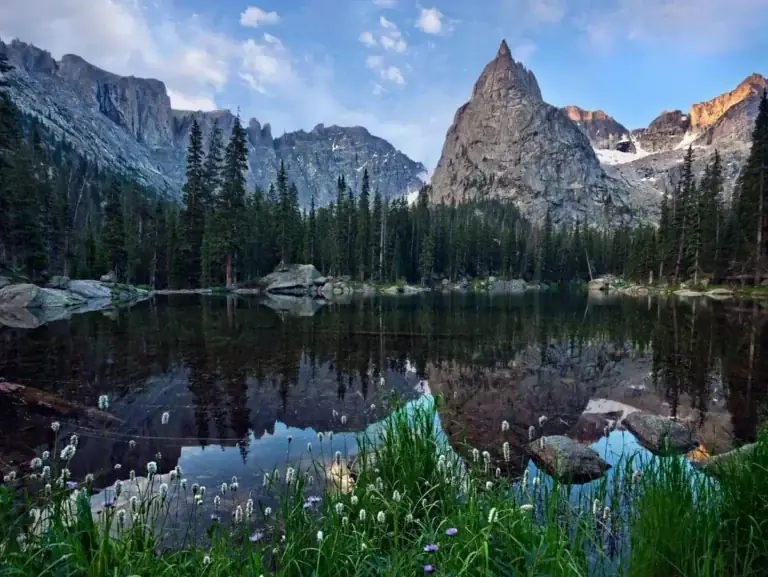
Found across Wyoming’s Wind River Range, Colorado’s Rocky Mountain National Park, and Washington’s Cascades, alpine basins feature granite spires and high-altitude walls. Short summer climbing windows, severe weather shifts, and long wilderness approaches require self-reliance.
Volcanic Basalt and Quartzite Bluffs
Distributed across Oregon, Idaho, and Wisconsin, basalt columns and quartzite bluffs offer sheer vertical faces with geometric crack systems and sharp edges. High friction and solid protection make these crags popular for single-pitch traditional and sport climbing.
High-Density Bouldering Fields
Spanning California’s Bishop, Texas’s Hueco Tanks, and Tennessee’s Chattanooga, bouldering fields feature high concentrations of standalone boulders. Climbers use specialized crash pads and spotters to practice short, powerful sequences without ropes.
Detailed Real-World Scenarios
Scenario A: Spring Traditional Ascent in Yosemite Valley
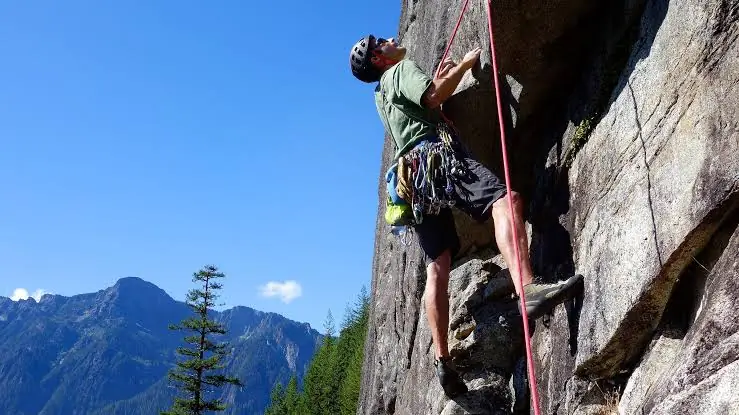
A team attempts a fifteen-pitch traditional route on Sentinel Rock in May.
-
Primary Constraint: High physical exertion combined with afternoon rain risks and cold wind exposure.
-
Failure Mode: A late morning start delays the team, stranding them on an exposed upper ledge at dusk as cold rain begins.
-
Second-Order Effect: Hypothermia sets in quickly, reducing hand dexterity and forcing an emergency overnight bivy without proper warm gear.
-
Optimal Decision: Start at first light, carry a lightweight headlamp and windproof shell jacket, and set a hard turn-around time.
Scenario B: Sandstone Crack Climbing in Indian Creek, Utah
A party plans a multi-pitch sandstone crack climb following a heavy spring rainstorm.
-
Primary Constraint: Wet sandstone loses up to fifty percent of its structural strength, risking hold breakage.
-
Failure Mode: Climbing on damp sandstone forty-eight hours after a rainstorm to keep to a tight travel schedule.
-
Second-Order Effect: A key foot ledge breaks under weight, causing a long fall that rips out camming devices from wet crack walls.
-
Optimal Decision: Wait at least seventy-two hours after heavy rain, test ground-level sand dryness, and choose dry granite or basalt alternatives.
Scenario C: Sport Climbing Project in Kentucky’s Red River Gorge
A climber attempts a steep 5.12 sport route during a humid July afternoon.
-
Primary Constraint: High humidity reduces skin friction, making slick rock holds difficult to grip.
-
Failure Mode: Rushing burns through physical energy quickly while trying to overpower slick holds in high heat.
-
Second-Order Effect: Flash pump and forearm fatigue lead to repeated falls, burning energy and ending the workout early.
-
Optimal Decision: Rest during warm afternoon hours, use liquid chalk, and schedule hard redpoint attempts during cooler morning or evening windows.
Planning, Cost, and Resource Dynamics
Evaluating a climbing trip requires balancing technical equipment costs, travel expenses, and access fees. The table below outlines typical budget requirements across different climbing disciplines.
Direct Gear Expenses versus Long-Term Safety Value
Climbing equipment forms a major portion of overall costs. Purchasing a dynamic rope, harness, helmet, specialized shoes, and protection devices requires an upfront investment. However, high-quality gear verified by international safety standards provides long-term protection across every pitch.
The Value of Flexible Itineraries
Building extra rest and weather days into travel plans reduces pressure to climb in dangerous conditions. Rushing onto steep, wet rock or high alpine faces to meet tight travel schedules remains a leading cause of climbing accidents. Flexible schedules allow teams to wait for safe conditions.
Tools, Strategies, and Support Systems
Modern climbing relies on specialized gear, digital topo applications, and safety systems to manage vertical risks.
Digital Topo Databases and Telemetry
Digital climbing applications provide detailed route maps, protection beta, and descent descriptions. Accessing offline topo maps helps teams navigate complex multi-pitch routes and find descent rappels safely.
Technical Climbing Hardware and Shoes
Modern downturned climbing shoes feature high-friction rubber soles that stick to small footholds. Specialized camming devices expand inside parallel rock cracks, creating secure protection points along traditional routes.
Satellite Communication and Rescue Systems
Compact satellite communicators enable two-way messaging, real-time tracking, and emergency SOS contact in remote areas. Carrying a satellite beacon allows teams to request search-and-rescue assistance during medical emergencies on isolated cliffs.
Risk Landscape and Failure Modes
Rock climbing involves compounding natural hazards and human errors that require continuous risk assessment.
Objective Hazards and Structural Failures
Objective dangers include falling rocks, anchor hardware failure, sudden weather shifts, and lightning strikes. Inspecting fixed bolts, testing loose holds, and wearing climbing helmets reduces objective risk exposure significantly.
Belay Communication Errors and Human Lapse
Belay miscommunications remain a leading cause of climbing accidents. Misunderstanding whether a partner is lowering or rappelling can lead to dropping off rope ends. Using standardized voice commands and tying stopper knots in rope ends prevents belay accidents.
Environmental Exposure and Dehydration
High cliff faces expose climbers to intense solar heat or freezing winds for hours. Dehydration, sunburn, and mild hypothermia impair physical coordination and lead to poor decision-making during technical rappels.
Governance, Maintenance, and Long-Term Adaptation
Preserving climbing access requires respecting private land boundaries, state park rules, and environmental conservation principles.
Local Climbing Coalitions and Fixed Hardware Care
Local climbing coalitions maintain fixed anchors, replace rusted expansion bolts, and build sustainable approach trails. Climbers support these efforts by donating to re-bolting funds and participating in volunteer trail workdays.
Pre-Climb Safety and Gear Checklist
-
Inspect dynamic ropes for soft spots, sheath abrasions, or core exposure.
-
Check harness buckles, tie-in loops, and belay carabiner locking gates.
-
Verify partner belay device setups and tie stopper knots in both rope ends.
-
Wear a certified climbing helmet to protect against rockfall and inverted falls.
-
Review descent routes, rappel anchor locations, and emergency retreat plans.
Measurement, Tracking, and Evaluation
Assessing climbing performance involves tracking quantitative athletic metrics alongside qualitative safety evaluations.
Quantitative Metrics
-
Redpoint Grade Advancement: Track maximum route grades completed clean without falling or resting on gear.
-
Vertical Pitch Mileage: Monitor total vertical feet climbed per day to build endurance for big-wall routes.
-
Anchor Building Speed: Measure the time required to build secure belay anchors on traditional pitches.
Qualitative Metrics
-
Protection Placement Quality: Evaluate the stability and directional strength of gear placements in cracks.
-
Movement Fluidity and Rest Focus: Assess how relaxed and efficient your body position stays on difficult wall sections.
-
Partner Safety Communication: Gauge how clearly and calmly team members communicate during complex rope maneuvers.
Common Misconceptions and Oversimplifications
Myth 1: Gym Climbing Skills Transfer Instantly to Outdoor Rock
Indoor gyms feature soft landings, color-coded holds, and inspected top-ropes. Outdoor climbing requires route-finding skills, hold evaluation, gear placement, and managing exposure, demanding a cautious transition.
Myth 2: Expensive Gear Eliminates Vertical Risk
High-end gear increases comfort and performance, but it cannot replace climbing experience, risk assessment, or solid belay technique. Proper training and safety habits remain your primary protection.
Myth 3: Fixed Expansion Bolts Last Forever
Outdoor expansion bolts degrade over time due to moisture, stress, and corrosion. Climbers must inspect fixed hardware carefully, looking for rust, loose nuts, or spinning hangers before trusting old bolts.
Practical and Contextual Considerations
Exploring the best rock climbing locations in the us requires balancing physical ambition, risk management, and environmental ethics.
Physical Conditioning and Movement Efficiency
Climbing performance relies on finger strength, core stability, and movement technique. Practicing foot placement, hip positioning, and rest techniques conserves forearm energy on steep rock faces.
Respecting Indigenous Heritage and Land Access
Many famous climbing monoliths sit on traditional ancestral lands of Native American tribes. Climbers should respect cultural sites, observe voluntary climbing closures during sacred periods, and follow Leave No Trace principles.
Conclusion
Evaluating the best rock climbing locations in the us requires balancing athletic goals with careful land analysis. From the massive granite walls of Yosemite to the sandstone cracks of Utah and the limestone sport crags of Kentucky, American crags offer world-class vertical opportunities.
By analyzing rock mechanics, monitoring weather conditions, using proper safety gear, and respecting local access rules, climbers ensure safe and rewarding vertical journeys. Sound judgment, technical competence, and deep respect for wild stone spaces remain the foundation of every successful climbing trip.