Global Field Operations: Evaluating Top Expedition Options
Organizing remote field travel requires an analytical understanding of geography, environmental mechanics, and supply chain logistics. Modern global field operations span severe environmental biomes, ranging from glaciated polar ice caps and high-altitude mountain chains to deep ocean trenches and dense tropical rainforests. Evaluating these environments demands objective operational parameters rather than reliance on superficial marketing brochures.
A frequent flaw in project design involves treating remote wilderness routes as standard commercial travel itineraries. Viewing high-risk polar traverses or complex river journeys through simple leisure metrics often causes poor gear selection, mismanaged fuel calculations, and compromised safety margins. Successful field planning requires careful evaluation of elevation profiles, terrain stability, local water sources, and regional climate patterns. A winter crossing in Svalbard presents physical demands distinct from a desert trek across the Empty Quarter.
Systematic categorization helps project organizers match team capabilities with ground realities. Regional weather patterns dictate operational windows throughout the calendar year. Maritime atmospheric systems along sub-Antarctic coastlines contrast sharply with the dry, thin air masses that cross the Himalayan plateau. Furthermore, administrative frameworks—including sovereign access permits, satellite radio regulations, and emergency evacuation insurance mandates—dictate itinerary design.
Evaluating remote field operations through structured decision models allows planners to make informed choices. Understanding environmental mechanics, supply chain demands, and risk management frameworks transforms extreme wilderness journeys into well-managed field projects. Rigorous preparation and sound judgment remain the foundation of every successful remote operation.
Understanding “top expedition options”
Evaluating the phrase top expedition options requires moving past promotional travel rankings toward a structural analysis of field logistics. High-value field operations offer supply line reliability, certified guide ratios, robust medical protocols, and environmental permit compliance. Exceptional operations feature proven safety infrastructure, reliable transport systems, and experienced field personnel rather than surface luxuries.
Distinguishing Commercial Guided Trips from True Field Projects
A primary misunderstanding involves confusing supported commercial guided trips with independent field expeditions. Supported commercial trips feature pre-established camps, fixed safety ropes, and full staff support. Independent field projects demand self-contained logistics, route-finding skills, and team self-rescue capabilities, placing full operational responsibility on project leaders.
Supply Line Mechanics and Environmental Distinctions
Field teams must distinguish between polar, alpine, desert, and marine operational environments. Polar operations require heavy fuel transport for snow melting and high-calorie rations. Alpine routes demand vertical rope management and altitude adaptation protocols. Ocean and river operations rely on marine vessel maintenance, water desalination systems, and navigational telemetry.
Access Governance and Permitting Protocols
Navigating international field access requires understanding sovereign permits, environmental impact bonds, and local liaison officer rules. High-quality operations secure legal access permits well in advance, maintain active local partnerships, and carry high-limit emergency evacuation insurance policies.
Deep Contextual Background
Historical Evolution of Global Field Exploration
Remote field travel evolved from national territorial expansion and scientific surveying into a specialized discipline. Eighteenth and nineteenth-century expeditions relied on massive supply trains, draft animals, and military logistics. These early operations operated with minimal communication tools, depending on physical endurance to overcome harsh environmental conditions.
The mid-twentieth century brought a technological revolution in polar, mountain, and ocean travel. Synthetic textiles, lightweight alloys, portable radio transmitters, and aviation supply drops reduced physical burdens significantly. The successful ascent of Mount Everest in 1953 and early deep-sea submersibles demonstrated the value of combining technical gear with organized logistics.
Commercial Outfitting and Technological Access
Late twentieth-century innovations expanded access to remote environments worldwide. Commercial outfitters established permanent basecamps along major Himalayan peaks, polar ice caps, and tropical river basins. The introduction of global satellite navigation networks (GPS) and personal locator beacons drastically improved location tracking and emergency response speeds.
Contemporary Environmental Protection and Regulatory Standards
Today’s field operations face strict environmental regulations and changing climate patterns. Sovereign nations enforce strict waste management rules, group size limits, and mandatory local guide hiring. Modern project leaders utilize digital weather modeling, satellite telemetry, and Leave No Trace principles to minimize environmental impacts.
Conceptual Frameworks and Mental Models
Evaluating remote field objectives relies on structured analytical models to assess environmental hazards, team capabilities, and supply chain demands.
The Terrain-to-Hazard Alignment Matrix
This framework plots objective terrain hazards—such as crevasses, avalanche slopes, or open sea swells—against team technical skills. Project leaders adjust route selection to maintain high safety margins during adverse weather events.
The Environmental Exposure Spectrum
This model categorizes operational biomes along a continuum ranging from cold, dry polar zones to hot, humid tropical rainforests. Understanding where an operation falls along this spectrum determines clothing systems, shelter choices, and water treatment methods.
The Human Reliability and Stress Model
Evaluating team performance requires auditing cognitive stress factors during long field deployments. Environmental cold, physical fatigue, dehydration, and isolation can impair judgment, leading to errors in navigation or safety protocols.
Key Categories or Variations
Remote operations divide into major geographical and technical categories. Each option presents distinct logistical requirements, weather patterns, and safety protocols.
High-Latitude Polar Ice Cap Traverses
Operating across Antarctica, Greenland, or Svalbard involves navigating crevassed glaciers, sea ice, and extreme polar storms. Teams utilize specialized sleds, windproof tents, and high-fat dietary plans. Polar bear protection protocols are mandatory in arctic zones.
High-Altitude Alpine Mountain Circuits
Encompassing the Himalayas, Andes, and Alaska Range, alpine operations focus on high-angle snow, ice, and rock terrain. Key requirements include progressive altitude acclimatization schedules, fixed rope installation, and high-altitude medical kits.
Ice-Strengthened Vessel Marine Expeditions
Navigating polar seas, island archipelagos, and remote coastal fjords requires ice-strengthened vessels or zodiac crafts. Operations require maritime navigation skills, marine weather tracking, and zodiac landing safety protocols.
Arid Desert and Canyonland Crossings
Spanning the Sahara, Atacama, and Central Australian deserts, these operations demand strict water management, heat protection, and sandstorm navigation. Transport relies on specialized off-road vehicles or pack animals.
Tropical Rainforest and River Basin Explorations
Operating across the Amazon, Congo, or Papua New Guinea river systems involves navigating dense forest canopies, muddy riverbanks, and tropical disease risks. Protocols prioritize water purification, insect vector control, and satellite navigation.
Detailed Real-World Scenarios
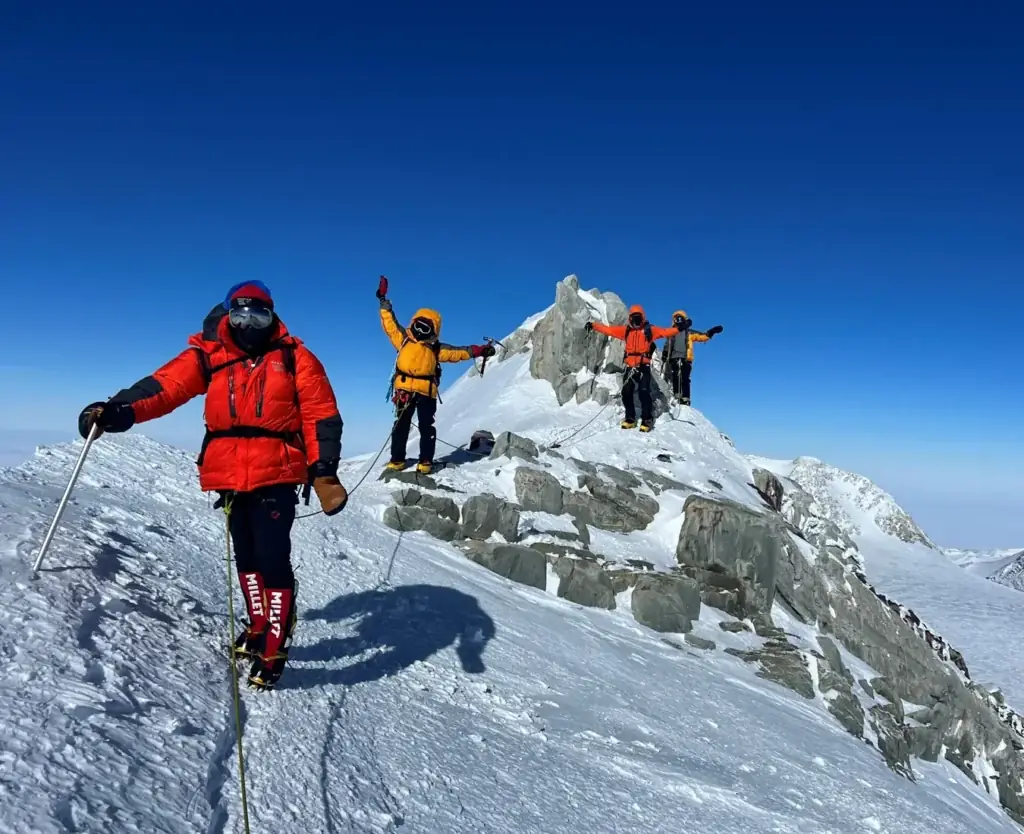
Scenario A: High-Altitude Himalayan Peak Project
A team undertakes a six-week expedition to a seven-thousand-meter Himalayan peak.
-
Primary Constraint: High altitude combined with sudden afternoon snowstorms.
-
Failure Mode: Pushing to Camp Three without adequate altitude acclimatization days to stay on schedule.
-
Second-Order Effect: High-altitude pulmonary edema affects two team members, forcing an emergency night descent down technical ice slopes.
-
Optimal Protocol: Enforce strict acclimatization schedules, monitor blood oxygen saturation daily, and carry high-altitude medical supplies.
Scenario B: Greenland Ice Sheet Polar Crossing
A four-person team attempts a three-hundred-mile ski crossing of the Greenland ice cap.
-
Primary Constraint: Sub-zero temperatures, katabatic winds, and absolute isolation.
-
Failure Mode: Storing stove fuel improperly, resulting in a leak that contaminates food supplies.
-
Second-Order Effect: Caloric shortage and an inability to melt snow for drinking water force an emergency satellite SOS call.
-
Optimal Protocol: Store fuel in sealed metal canisters separate from rations, and carry redundant multi-fuel camp stoves.
Scenario C: Amazon River Basin Survey Expedition
A scientific team conducts a three-week river survey in a remote Amazon tributary.
-
Primary Constraint: High humidity, river hazards, and limited cellular contact.
-
Failure Mode: Drinking surface river water after running a mechanical filter without applying chemical purification.
-
Second-Order Effect: Bacterial infection causes severe gastrointestinal illness, disabling half the research crew.
-
Optimal Protocol: Combine mechanical filtration with chemical purification or boiling, and maintain a strict medical kit.
Planning, Cost, and Resource Dynamics
Evaluating remote operations requires balancing gear investments, permit fees, and logistics costs. The table below outlines typical budget dynamics across different project scales.
Direct Capital Allocations versus Emergency Reserves
Purchasing technical gear forms a portion of overall project expenses. Contracting charter aircraft, securing government access permits, and purchasing evacuation insurance require major capital outlays. Reserving at least fifteen percent of total funds for emergency contingencies protects project viability.
The Cost of Expedited Administrative Filing
Delaying permit applications or equipment shipping generates high expedited fees. Sovereign access permits often require six to twelve months of administrative processing. Early filing avoids administrative surcharges and secures preferred operational dates.
Tools, Strategies, and Support Systems
Modern field projects rely on specialized equipment, digital forecasting networks, and satellite communication systems to manage environmental risks.
Satellite Communication and Location Telemetry
Two-way satellite communicators provide emergency SOS contact, location tracking, and real-time weather updates in remote areas. Carrying paper maps alongside digital GPS tools provides essential navigation redundancy.
Specialized Field Gear and Thermal Outerwear
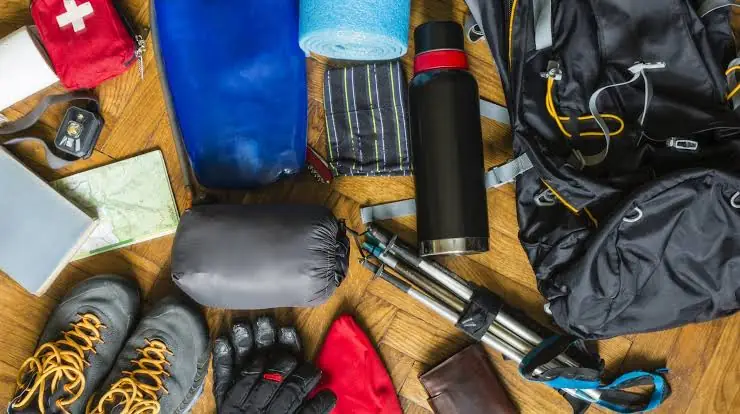
High-altitude mountaineering boots, polar parkas, and weather-resistant tents shield teams from severe storms. Testing all gear before deployment verifies proper function under real conditions.
Mobile Off-Grid Power Solutions
High-efficiency solar panels paired with lightweight lithium iron phosphate (LiFePO4) battery packs keep satellite devices, cameras, and medical equipment charged in remote camps.
Risk Landscape and Failure Modes
Remote field operations involve compounding natural hazards and human errors that require continuous risk assessment.
Objective Hazards and Structural Failures
Objective dangers include crevasses, rockfalls, avalanches, severe storms, and dangerous wildlife. Carrying safety gear, inspecting equipment daily, and setting clear turn-around times reduces hazard exposure significantly.
Communication Breakdowns and Navigation Errors
Losing satellite communication or misreading maps can turn minor delays into emergency situations. Carrying backup communication devices and practicing paper map navigation ensures team safety if electronics fail.
Environmental Injuries and Dehydration
Dehydration, frostbite, heat stroke, and altitude sickness degrade physical capabilities rapidly. Monitoring team hydration, thermal comfort, and physical exertion prevents minor medical issues from becoming emergencies.
Governance, Maintenance, and Long-Term Adaptation
Preserving remote field access requires respecting local regulations, environmental ethics, and community safety protocols.
Sovereign Access Permit Compliance
Field teams must follow sovereign access permit rules, environmental impact standards, and local guide hiring regulations. Compliance preserves operating access for future scientific and exploratory projects.
Pre-Deployment Field Readiness Checklist
-
Verify sovereign access permits, research visas, and local liaison officer contracts.
-
Check battery levels and active subscription plans on satellite communication devices.
-
Inspect technical gear, including tent fabrics, rope lines, and multi-fuel stoves.
-
Confirm comprehensive medical evacuation insurance policies for all team members.
-
Review route plans, emergency bailout points, and communication schedules with home support contacts.
Measurement, Tracking, and Evaluation
Assessing field project performance involves tracking quantitative physical metrics alongside qualitative team evaluations.
Quantitative Metrics
-
Daily Distance and Elevation Rate: Track miles covered and elevation gain to measure team pace against project schedules.
-
Fuel and Ration Burn Rates: Monitor daily fuel and food usage to ensure supply lines match remaining field days.
-
Physiological Health Indicators: Track resting pulse rates and blood oxygen levels to evaluate altitude adaptation.
Qualitative Metrics
-
Team Decision-Making Quality: Evaluate how calmly and effectively team leaders handle unexpected weather shifts.
-
Leave No Trace Compliance: Assess how thoroughly field camps are cleaned before moving to the next objective.
-
Risk Mitigation Awareness: Gauge how consistently team members follow safety protocols during daily activities.
Common Misconceptions and Oversimplifications
Myth 1: Carrying Satellite Beacons Eliminates Wilderness Risk
Satellite beacons allow teams to request emergency assistance, but rescue responses can take days during severe weather. Self-reliance, medical training, and risk management remain essential for field safety.
Myth 2: Expensive Gear Guarantees Operational Success
High-end gear improves comfort, but it cannot replace field experience, physical conditioning, or sound decision-making. Thorough planning and training remain far more critical than costly equipment.
Myth 3: Local Guides Are Only Necessary for Navigation
Experienced local guides provide critical regional knowledge, weather insights, cultural connections, and emergency support that digital tools cannot match.
Practical and Contextual Considerations
Evaluating choices among top expedition options requires balancing physical goals, budget limits, and environmental ethics.
Physical Conditioning and Technical Training
Remote field travel requires physical endurance, mental resilience, and technical skills. Engaging in targeted cardiovascular conditioning, strength training, and gear practice prepares teams for demanding remote conditions.
Supporting Local Wilderness Communities
Contracting local porters, drivers, and guides ensures project spending benefits host communities directly. Fair compensation and ethical labor practices build strong local partnerships for future field operations.
Conclusion
Evaluating top expedition options requires balancing physical goals with careful environmental analysis and supply chain planning. From polar ice cap crossings and high-altitude alpine climbs to marine coastal surveys and tropical river journeys, global field operations offer extraordinary opportunities for research and exploration.
By analyzing operational biomes, maintaining supply lines, utilizing proper safety gear, and respecting local regulations, project leaders ensure safe, successful field operations. Sound judgment, technical competence, and deep respect for wild natural spaces remain the foundation of every successful expedition.