Professional Field Hardware Standards: Best Trekking Equipment for Professionals
Operating extended field missions across severe wilderness environments demands a rigorous approach to hardware selection. Professional wilderness guides, field researchers, search-and-rescue specialists, and expedition leaders evaluate gear under strict operational standards. For these operators, equipment is not merely a recreational convenience. Instead, hardware functions as essential life-support infrastructure that must perform reliably under continuous stress.
Choosing field gear requires evaluating structural materials, manufacturing tolerances, repairability, and operational design. A lightweight consumer tent might reduce pack weight during a weekend trip, yet its delicate fabrics can fail under multi-week alpine storm loading. Professional field work demands equipment that balances weight efficiency with high structural durability, ensuring long-term reliability across remote biomes.
Inadequate gear selection introduces severe operational hazards. A torn load-bearing seam, a cracked water filter housing, or a saturated thermal layer can compromise an entire field team’s safety. Evaluating equipment requires looking beyond brand marketing to analyze material yield points, abrasion resistance coefficients, and environmental failure modes.
Analyzing hardware through systematic operational frameworks allows field leaders to build resilient equipment kits. Matching gear specifications to specific mission constraints ensures safety, controls long-term capital costs, and enables sustained self-sufficiency across remote landscapes.
Understanding “best trekking equipment for professionals”
Analyzing the phrase best trekking equipment for professionals requires moving beyond consumer gear reviews toward structural material audits. Professional field gear must prioritize durability, field repairability, and mechanical reliability over minimalist weight savings.
Distinguishing Professional Requirements from Consumer Trends
Commercial outdoor marketing frequently highlights ultra-light fabrics and minimalist designs. While light gear reduces physical fatigue during short trips, delicate ultra-light materials wear down rapidly under daily professional use. Professional operators require reinforced abrasion zones, heavy-duty zippers, and high-tenacity fabrics that withstand continuous friction against granite, thorns, and heavy payloads.
Material Selection Mechanics and Manufacturing Tolerances
Equipment reliability depends directly on underlying material science. High-density ripstop nylons coated with silicone or polyurethane provide essential tear strength and waterproof integrity. Anodized aluminum alloys offer predictable flex thresholds without brittle fracture risks, while high-tensile bonded threads prevent seam separation under tension.
Field Repairability and Modular Components
A critical requirement for professional hardware is field serviceability. Sealed, non-repairable designs force total component replacement when a single part fails. Professional equipment utilizes standardized buckles, replaceable zipper sliders, modular pole segments, and field-serviceable pump valves that allow quick repairs in remote locations.
Deep Contextual Background
Historical Evolution of Technical Field Hardware
Wilderness equipment evolved from heavy canvas, leather, and forged iron into advanced synthetic composites. Early expedition leaders relied on heavy natural fibers that absorbed water, dried slowly, and imposed severe weight burdens. Despite these limits, traditional gear offered high abrasion resistance and simple field repairability using basic tools.
The mid-twentieth century synthetic revolution introduced nylon polymers, aluminum alloys, and closed-cell foams. Equipment mass dropped significantly, expanding human reach across high-altitude and polar environments. However, early synthetic fabrics suffered from rapid ultraviolet degradation and lower melting points near open campfires.
Advanced Composites and Chemical Regulations
Late twentieth-century developments introduced ultra-high-molecular-weight polyethylene (UHMWPE) fabrics, carbon fiber stays, and breathable waterproof membranes. Simultaneously, recent environmental regulations forced manufacturers to eliminate persistent chemical coatings. Modern fluorine-free water-repellent treatments require more frequent user maintenance to sustain water-shedding performance.
The Rise of Standardized Testing Standards
Modern professional hardware relies on standardized testing metrics. Ratings like EN/ISO sleep bag temperature tests, ASTM sleeping pad R-value measurements, and hydrostatic head waterproof ratings allow field directors to evaluate gear objectively across competing brands.
Conceptual Frameworks and Mental Models
Evaluating field hardware requires structured analytical models to assess physical stress limits, thermal performance, and mechanical risks.
The Stress-Strain and Material Yield Framework
This engineering model maps fabric and frame deformation against applied physical force. Materials deform elastically under light loads, returning to their original shape when tension releases. Exceeding the yield point causes permanent plastic deformation or sudden material fracture.
The Environmental Stress Triad
Equipment degradation stems from three primary environmental forces: ultraviolet radiation, mechanical abrasion, and chemical contamination. Managing exposure across these three vectors extends product lifecycles significantly.
The Single Point of Failure Risk Hierarchy
This assessment model categorizes equipment by the severity of a potential failure. Critical assets—such as four-season shelters, primary water purifiers, and satellite communicators—require high maintenance priority and backup repair capabilities.
Key Categories or Variations
Professional field hardware divides into distinct operational categories. Each category presents unique mechanical components, material vulnerabilities, and maintenance needs.
Heavy-Duty Expedition Backpacks
Professional load-carriage systems feature internal composite frames, high-denier pack bodies, reinforced hip-belt pivots, and heavy-duty webbing straps. These packs support fifty to eighty-pound payloads comfortably over rough terrain without frame twisting or seam tearing.
Four-Season Geodesic Shelters
Expedition shelters utilize multi-pole geodesic designs that distribute wind and snow loads across multiple intersection points. High-tenacity ripstop rainflies, heavy-duty floor coatings, and reinforced guy-out loops ensure structural stability during severe mountain storms.
Modular Sleep and Insulation Systems
Professional sleep systems pair high-loft water-resistant down or dense synthetic insulation with high-R-value ground pads. Combining inflatable air pads with closed-cell foam mats provides conductive ground insulation on frozen surfaces.
Technical Shell Outerwear and Layering
Field apparel relies on three-layer waterproof breathable membranes featuring durable face fabrics. Reinforced shoulder and hip panels resist abrasion under heavy pack straps, while pit zippers provide ventilation during high exertion.
High-Capacity Water Purification Systems
Professional water processing utilizes heavy-duty ceramic or hollow-fiber pump filters paired with chemical treatment backups. High-flow purifiers remove biological pathogens and suspended sediment from turbid surface water sources reliably.
Satellite Telemetry and Navigation Units
Field communications rely on ruggedized satellite transceivers featuring long battery lives and physical buttons that operate easily with gloves. These units provide two-way messaging, real-time GPS tracking, and emergency SOS links beyond cellular range.
Detailed Real-World Scenarios

High-Altitude Alpine Research Expedition
A team conducts geological surveys at twelve thousand feet elevation in Alaska during late autumn.
-
Primary Constraint: High wind shear, sub-zero temperatures, and heavy snow loading on field equipment.
-
Failure Mode: Using three-season tents causes pole bending and fabric tearing during an unexpected forty-knot blizzard.
-
Second-Order Effect: Collapsed shelters soak sleeping bags, exposing researchers to severe hypothermia risks and forcing an emergency rescue call.
-
Optimal Protocol: Deploy four-season geodesic tents anchored with snow stakes, double-pole critical guy lines, and protect sleeping bags in waterproof compression sacks.
Tropical Rainforest Survey Mission
A field research crew navigates dense rainforest terrain in Southeast Asia for four weeks.
-
Primary Constraint: High relative humidity, persistent rain, and mud abrasion.
-
Failure Mode: Storing gear in standard polyurethane-coated nylon bags leads to coating hydrolysis, fabric stickiness, and water leakage.
-
Second-Order Effect: Saturated electronics and paper data logs delay field research schedules significantly.
-
Optimal Protocol: Store sensitive data gear in welded TPU dry bags, utilize synthetic insulation layers, and clean zippers daily to clear grit.
Desert Search and Rescue Operation
A search team operates across high-temperature canyonlands in Utah during mid-summer.
-
Primary Constraint: High sun exposure, abrasive sandstone surfaces, and zero natural water sources.
-
Failure Mode: Carrying lightweight mesh trail shoes results in rapid outsole delamination and fabric tearing on sharp slickrock.
-
Second-Order Effect: Footwear failure forces a team member to stop searching, straining remaining team resources.
-
Optimal Protocol: Wear full-leather or heavy synthetic trekking boots with sticky rubber outsoles, carry spare footwear parts, and pack high-capacity hydration bladders.
Planning, Cost, and Resource Dynamics
Procuring professional field hardware requires balancing initial capital expenses against total lifecycle operating costs. The table below outlines financial dynamics across gear procurement strategies.
Direct Expenses versus Lifecycle Value
Purchasing commercial-grade hardware requires higher initial capital outlays. However, commercial-grade equipment lasts significantly longer than lightweight consumer gear, lowering replacement costs per field day over time.
The Opportunity Cost of Gear Failures
Hardware breakdown in remote locations creates major indirect expenses. Ruined research itineraries, emergency air evacuations, and last-minute gear replacements in gateway towns far exceed the cost of buying professional equipment initially.
Tools, Strategies, and Support Systems
Maintaining professional gear readiness relies on specialized care products, diagnostic tools, and modular repair strategies.
Technical Washes and Re-Proofing Compounds
Standard household detergents contain optical brighteners and softeners that strip water-repellent coatings and damage down insulation. Using specialized technical washes cleans fabrics gently while restoring water-shedding performance.
Specialized Field Repair Kits
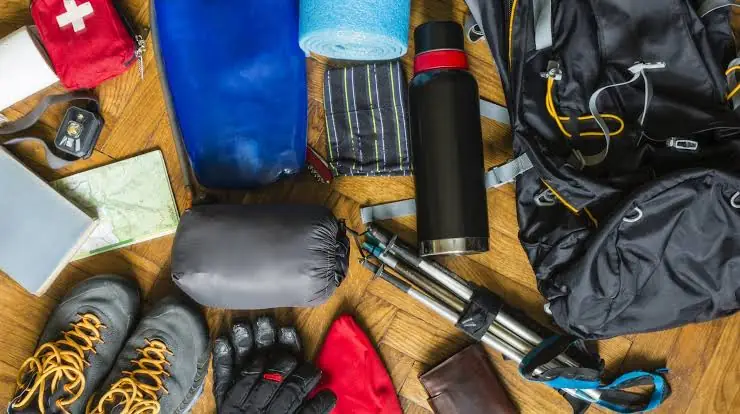
A comprehensive field repair kit includes pressure-sensitive tenacity tape, curved sewing needles, heavy bonded nylon thread, replacement zipper sliders, aluminum pole splints, seam sealant, and spare side-release buckles.
Automated Test Equipment and Pressure Gauges
Field managers utilize diagnostic tools—such as sleeping pad pressure test kits, battery capacity testers, and water filter flow-rate gauges—to verify equipment readiness before deployment.
Risk Landscape and Failure Modes
Equipment degradation presents compounding hazards that require continuous monitoring and proactive management.
Mechanical Fatigue and Structural Degradation
Repeated tensioning wears out equipment components over time. Aluminum tent poles develop invisible micro-fractures, webbing straps fray from buckle friction, and footwear outsoles lose structural bond strength through repeated impact cycles.
Hypothermia Risks from Insulation Breakdown
Equipment failures often trigger severe cold injuries. A leaking air pad, a saturated down jacket, or a failed tent zipper exposes operators to rapid heat loss, increasing hypothermia risks in cold environments.
Hydration Hazards and Contamination Risks
Water filter failures introduce severe health risks. Consuming untreated surface water due to a clogged or frozen filter membrane exposes operators to waterborne pathogens, causing dehydration and illness in remote settings.
Governance, Maintenance, and Long-Term Adaptation
Sustaining equipment readiness requires structured post-mission care, proper storage, and regular inspection routines.
Post-Mission Care and Storage Protocols
Storing gear properly between missions prevents silent material degradation. Tents must be dried completely before storage to prevent mold growth and polyurethane coating damage. Down sleeping bags should be stored loose in large cotton sacks to preserve loft.
Pre-Deployment Equipment Inspection Checklist
-
Pitch shelters to inspect aluminum poles, guy line tensioners, and zipper performance.
-
Inflate sleeping pads and leave pressurized for twelve hours to check for air leaks.
-
Flush water purifiers to test flow rates and check O-ring seals for hairline cracks.
-
Inspect backpack shoulder strap anchors, hip belt buckles, and frame stay channels for wear.
-
Apply DWR reproofing treatments to waterproof shell garments showing fabric wetting.
Measurement, Tracking, and Evaluation
Assessing equipment performance involves tracking quantitative usage metrics alongside qualitative material inspections.
Quantitative Performance Metrics
-
Field Failure Rate: Track hardware breakdowns per hundred field operational days.
-
Water Purifier Processing Flow: Measure output volume per minute against original factory specifications.
-
Sleeping Pad Pressure Retention: Measure inflation pressure loss over a twelve-hour test period.
Qualitative Inspection Signals
-
Zipper Slider Resistance: Assess zipper movement smoothness and track alignment during opening and closing.
-
Seam Tape Adhesion: Inspect waterproof seam tape for lifting, clouding, or peeling along stress areas.
-
Fabric Water Beading: Observe how effectively surface water beads and rolls off shell garments during rain exposure.
Common Misconceptions and Oversimplifications
Myth 1: Lighter Gear Is Always Better for Professionals
Lightweight gear reduces pack mass, but ultra-light fabrics wear down quickly under daily professional use. Professional operators choose gear that balances weight savings with high structural durability.
Myth 2: Waterproof Shells Never Require Maintenance
Waterproof membranes rely on exterior DWR coatings to prevent surface fabric saturation. Dirt and friction wear down DWR layers over time. Re-proofing shells regularly maintains breathability and prevents fabric wetting.
Myth 3: Duct Tape Is a Permanent Field Repair Solution
Duct tape provides useful short-term fixes, but its rubber adhesive degrades rapidly under UV light and leaves sticky residue on fabrics. Technical repairs require specialized pressure-sensitive repair tapes or permanent silicone sealants.
Practical and Contextual Considerations
Evaluating the best trekking equipment for professionals requires adapting gear selection to specific regional biomes, mission lengths, and field objectives.
Regional Environment Adjustments
Desert environments demand frequent zipper cleaning and fine sand removal, whereas marine environments require freshwater rinsing to remove salt crystals that corrode metallic components and degrade fabrics.
Environmental Stewardship and Repair Ethics
Repairing gear instead of discarding damaged items reduces environmental waste and extends product lifecycles. Supporting brands that offer official repair services promotes sustainable equipment consumption across the outdoor industry.
Conclusion
Mastering the selection and care of the best trekking equipment for professionals requires an analytical understanding of material science, environmental stress factors, and preventive maintenance. By evaluating gear through physical criteria rather than retail marketing trends, field directors build resilient equipment kits that withstand demanding wilderness conditions.
Sustained field reliability depends on careful preparation, proper storage, and early problem detection. Investing effort into equipment maintenance ensures safety, preserves capital, and enables self-sufficient exploration across wild landscapes. Thorough preparation and gear care remain the foundation of every successful wilderness mission.